Why is Sofwave so hard to find? The equipment costs upwards of $150,000, requires specialized FDA-mandated training, and targets a narrow use case (noninvasive skin tightening) that most med spas skip in favor of broader-revenue services like Botox, fillers, or multifunctional RF devices. The barrier to entry is high, the patient base is specific, and the ROI requires clinical confidence and commitment to a single modality.
If you've spent the last three weeks searching for a Sofwave provider in the Twin Cities and found almost no one, you're not imagining it. The scarcity is real. Sofwave SUPERB™ is FDA-cleared for fine lines, wrinkles, and short-term cellulite improvement, delivers results without downtime, and uses ultrasound depth precision that RF and laser platforms can't match. Yet the number of clinics offering it is a fraction of those offering Ultherapy, Thermage, or even Botox. This piece unpacks why: the economic barriers that filter out most clinics, the training requirements that separate serious providers from opportunistic ones, and what it means for you when you finally find a provider who made the investment. Understanding the same principle that makes laser hair removal require multiple sessions helps clarify why timing and provider commitment matter in advanced aesthetic treatments, whether you're considering Laser & Skin Treatments in Edina, MN or researching niche ultrasound modalities.
The Capital Investment Barrier: Why Most Clinics Skip Sofwave
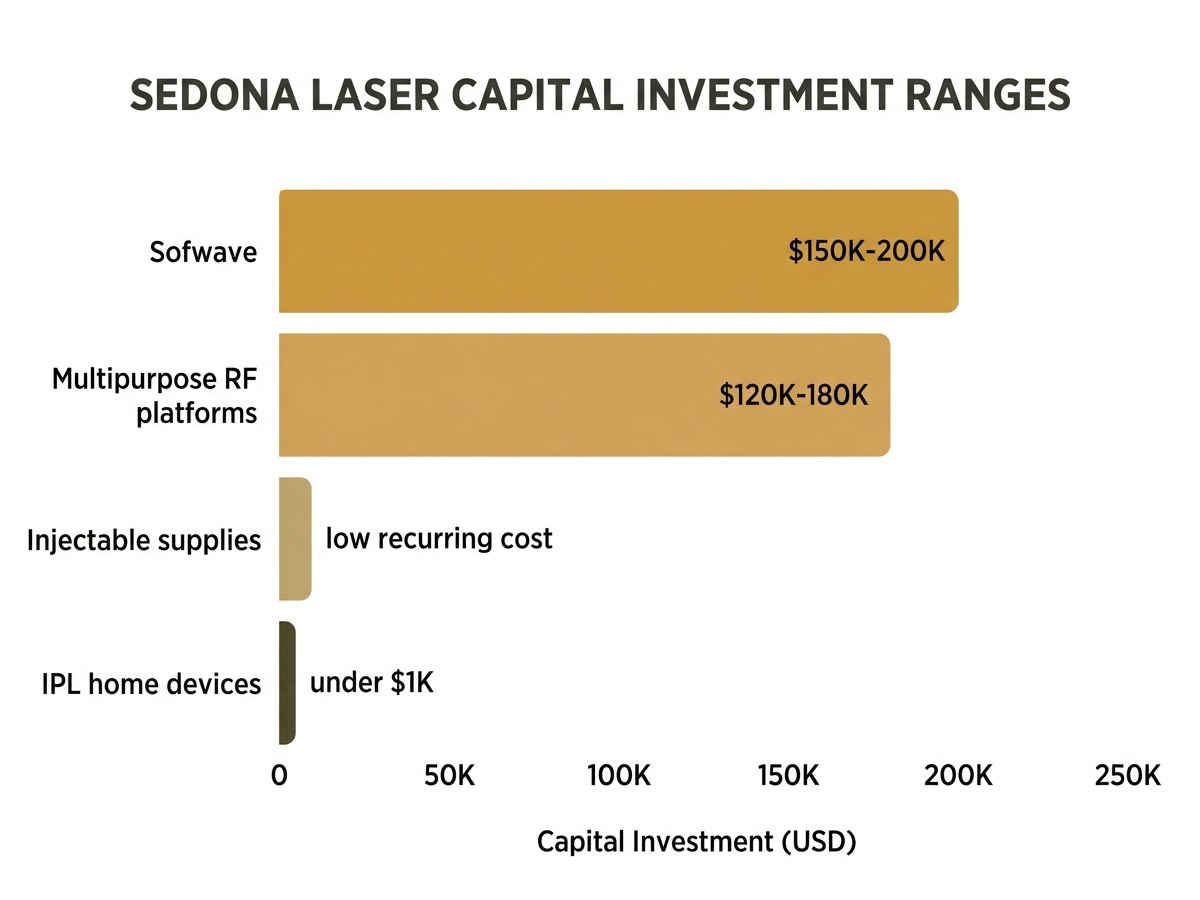
Sofwave devices cost between $150,000 and $200,000. That's the upfront capital expense before you factor in dedicated treatment space, staff training, marketing to build a patient pipeline, and ongoing support contracts. For a general med spa operating on thin margins and high patient volume, that's prohibitive. The device treats one thing: skin laxity in the mid-dermis, targeting fine lines and sagging jawline with ultrasound energy delivered at 1.5mm depth. It does that exceptionally well, but it doesn't treat body contouring, acne scars, or pigmentation. A clinic chasing revenue diversification will choose a multipurpose RF platform instead.
Multipurpose devices like Morpheus8 or Thermage FLX cost roughly the same but serve a broader clinical menu. They treat skin tightening, body contouring, and acne scars with a single platform. For a med spa that needs to justify payroll and rent with high appointment turnover, that flexibility is critical. Sofwave's narrow use case means the patient funnel is smaller. You're serving adults who want noninvasive tightening without injectables or surgery, not the broader demographic seeking Botox touch-ups every three months.
The ROI challenge compounds when you consider treatment frequency. Sofwave patients typically need one to two sessions with results developing progressively over 12 weeks, then maintenance once or twice per year. That's lower treatment frequency than injectables (every three to six months) or even some RF modalities (quarterly sessions for optimal results). Lower frequency per patient means the clinic needs either premium pricing or a steady pipeline of new patients to make the capital investment worthwhile. Most generalist med spas don't have the clinical positioning or patient trust to support premium pricing for a single-modality device, so they skip Sofwave entirely. Understanding the difference between consumer devices and medical-grade technology clarifies why capital investment creates such a high barrier to entry.
Why would a clinic choose Sofwave despite these barriers? Clinical superiority in its category. Sofwave uses Synchronous Ultrasound Parallel Beam SUPERB™ technology with integrated Sofcool™ skin protection, delivering ultrasound energy at 1.5mm depth into the mid-dermis without surface damage or prolonged downtime. According to FDA clearance documents, the device is approved for fine lines, wrinkles, and short-term improvement in cellulite appearance, making it one of the few noninvasive ultrasound platforms with FDA backing for facial skin tightening. For a clinic committed to depth over breadth (two treatments done exceptionally well rather than a sprawling menu), that clinical precision justifies the investment. But that commitment filters out most clinics before they even request a demo. Comparing how Sofwave compares to radiofrequency and laser tightening reveals why the technology commands such a premium in both cost and clinical outcomes.
In the Twin Cities specifically, this capital barrier creates a near-monopoly for providers willing to make the commitment. When you're the only local clinic offering Sofwave because your competitors can't justify the expense, that scarcity becomes a strategic advantage. Sedona made the investment because skin tightening is a core service, not an upsell or afterthought. The decision reflects a business model built on mastery of two modalities (laser hair removal and noninvasive skin tightening) rather than a sprawling service menu.
The Training and Certification Requirement: Not Every Technician Can Operate It
FDA regulations require manufacturer-led training before a provider can operate Sofwave. The training typically spans one to two days on-site and covers ultrasound physics, treatment depth calibration, energy settings by skin type, and patient candidacy screening. This isn't a formality. Ultrasound energy delivered at the wrong depth or intensity can cause ineffective treatment (too shallow, too weak to trigger collagen remodeling) or adverse events (burns, uneven results, prolonged redness). The training ensures operators understand how to titrate energy for different Fitzpatrick skin types, how to map treatment zones for even coverage, and which patients should not receive Sofwave (active skin infections, certain autoimmune conditions, patients on specific medications).
The time and cost investment in training creates a secondary barrier for generalist med spas. A clinic rotating staff every six to twelve months (common in high-turnover environments like national chains) faces ongoing recertification costs every time a trained operator leaves. Training one technician deeply is feasible when that person stays with the clinic for years. Training a revolving roster of part-time staff makes advanced device certification a money pit. This is why Sofwave adoption clusters in independent specialist clinics with stable, experienced teams rather than chain locations optimizing for scalability.
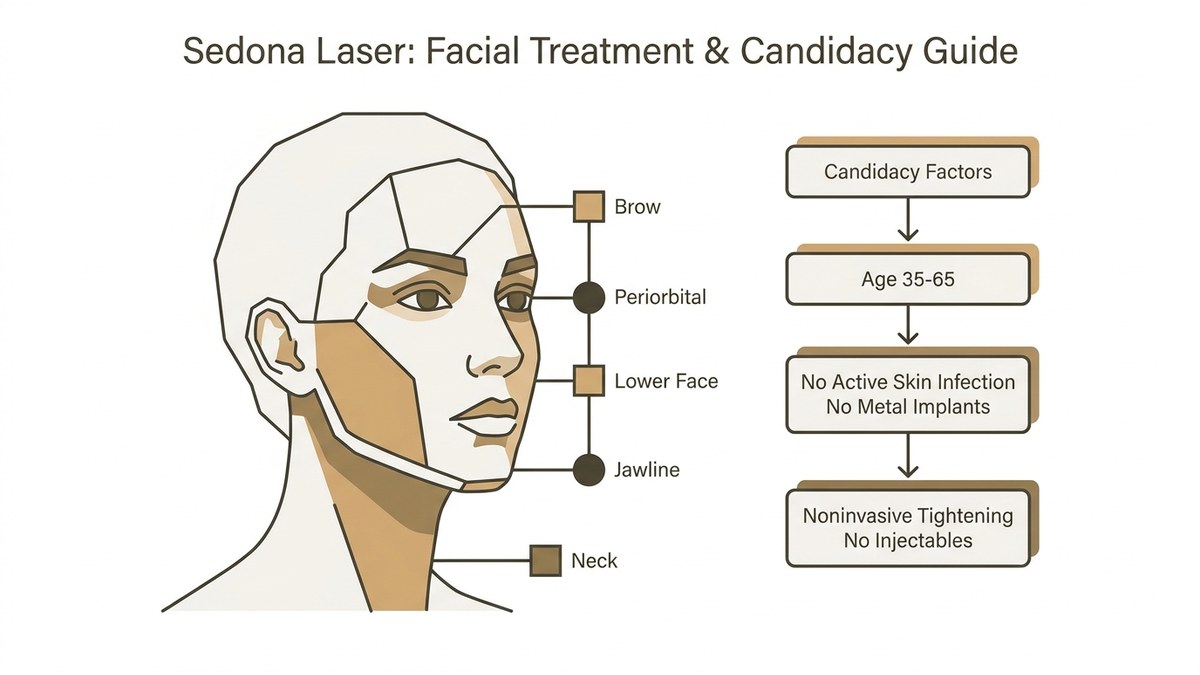
What the training covers in practice: operators learn to identify the mid-dermal layer via ultrasound imaging feedback (the device shows real-time depth on a screen), adjust energy output based on skin thickness and patient tolerance, and maintain consistent overlap between treatment passes to avoid patchy results. They also learn contraindication screening. Patients with metal implants near the treatment zone, active infections, or certain connective tissue disorders are not candidates. Undertrained operators may miss these contraindications or fail to achieve consistent depth, leading to patient dissatisfaction and potential safety issues. The FDA mandate exists because ultrasound skin tightening is a medical procedure, not a cosmetic service. Understanding the precision required for medical-grade laser technology helps contextualize why wavelength-specific and depth-specific devices like Sofwave demand rigorous operator training and why YAG lasers are safer for darker skin than other laser types when properly calibrated by trained technicians.
For a clinic like Sedona, where the same technician guides you through your entire treatment plan (consultation, sessions, follow-up), this training burden becomes a competitive advantage. The team has performed over 150,000 procedures across 17 years, with continuity of care as a core differentiator. Training one consistent team deeply in Sofwave operation is table stakes, not a burden. For a generalist med spa rotating through multiple devices and shifting staff quarterly, it's unsustainable.
This model mirrors the dual-wavelength precision required for laser hair removal on darker skin tones. Just as medical-grade laser platforms demand operator expertise to adjust wavelengths and settings for safe, effective treatment across all Fitzpatrick types, Sofwave requires depth calibration and energy titration by a trained technician who knows the difference between mid-dermal targeting and superficial passes that accomplish nothing. The clinic that invests in training one stable team (rather than rotating technicians through abbreviated certification courses) delivers better outcomes and builds patient trust. That trust converts into long-term relationships, referrals, and repeat bookings. For Sofwave, where results develop over 12 weeks and maintenance occurs annually, that relationship timeline fits the clinical model perfectly.
The Market Niche: Sofwave Targets Patients Who Won't Do Injectables or Surgery
Sofwave serves a specific patient: adults noticing facial or neck laxity who explicitly reject injectables and surgery. They want visible tightening without needles, cutting, or prolonged recovery. That's a smaller segment than the Botox and filler market (which serves a broader age range and requires repeat appointments every three to six months) or the facelift market (which serves patients willing to undergo anesthesia and weeks of downtime). Sofwave sits in the middle: noninvasive, zero downtime, results developing progressively over 12 weeks, with maintenance sessions once or twice per year.
This narrow positioning limits the patient funnel. A generalist med spa chasing volume needs high-frequency services. Botox appointments turn over every three months. Filler touch-ups happen every six months. Sofwave patients book one to two sessions initially, then annual maintenance. Lower treatment frequency per patient means the clinic needs either premium pricing or a steady stream of new patients to justify the device's capital cost and floor space. Most med spas prioritize injectables because the revenue model is more predictable: faster appointments, higher turnover, easier staffing (nurse injectors vs. ultrasound-certified technicians).
Why did Sedona choose Sofwave despite serving a smaller market? Because that market is underserved in the Twin Cities. Patients who want skin tightening without injectables have limited local options. Ultherapy (a competing ultrasound platform) is more widely available but comes with higher discomfort during treatment and longer recovery. RF platforms like Thermage are common but less precise in depth targeting. Sofwave fills the gap: noninvasive ultrasound tightening with minimal discomfort, zero downtime, and FDA clearance for fine lines and wrinkles. For a clinic committed to serving this specific patient, the scarcity becomes a strategic moat. Which patients are ideal candidates for Sofwave and how to assess whether the treatment fits your skin goals are critical questions for anyone in this underserved demographic.
The patient who seeks Sofwave is typically 35 to 65, noticing sagging along the jawline or neck, fine lines deepening around the eyes or mouth, and skin texture becoming less firm. They've researched Botox and decided against it (either because they don't want regular injections or because neuromodulators don't address skin laxity). They've looked into surgical options and ruled them out (no anesthesia, no cutting, no weeks of recovery). Sofwave is the answer for this patient, and the fact that it's rare means they need to choose their provider carefully. Sedona's independent ownership, transparent pricing, and no-pressure consultation model make it the safe bet for a patient navigating a scarce provider landscape.
Converting Twin Cities metro searchers into booked consultations requires clarity about who Sofwave serves and why it's rare. When you rank for queries like "why Sofwave hard to find providers" and "sofwave clinic scarcity reason," you're answering the question the patient typed into Google after three weeks of unsuccessful searches. The educational approach builds trust before the phone call happens. The free consultation converts that trust into a booking when the patient realizes the clinic offering Sofwave locally is also the one that took the time to explain why it's scarce, what the barriers are, and what commitment was required to offer it in the first place.
Why Sedona Laser Made the Investment: And What It Means for You
Sedona is one of the only Sofwave providers in the Twin Cities. That scarcity isn't accidental. The clinic made the capital investment because skin tightening is a core service, not an add-on upsell. Sedona's business model is depth over breadth: two treatments (laser hair removal and Sofwave skin tightening) done exceptionally well by the same team, with 17 years of clinical experience and over 150,000 procedures performed. When you build a practice around mastery of a narrow field, a six-figure investment in the best available technology for that field makes strategic sense. When you're a generalist med spa offering 15 different services with rotating staff, it doesn't.
What this means for you: when you book a Sofwave consultation at Sedona, the same technician who assesses your candidacy will perform your treatment and conduct your follow-up. There's no staff rotation, no handoff between departments, and no pressure to add injectables or other services to your plan. The clinic is independently owned, woman-led, and operates without the upsell culture common in national chains. The free consultation is transparent. You'll learn whether Sofwave is the right fit for your skin goals, what results you can realistically expect over the 12-week collagen remodeling timeline, and what maintenance frequency looks like long-term. If Sofwave isn't right for you, the team will say so rather than pushing you toward a treatment that doesn't match your needs.
The local monopoly matters. If you're in the Edina area and you want Sofwave, your options are Sedona or a long drive to Minneapolis or St. Paul (where provider availability is still limited). That scarcity makes provider choice even more critical. You're not comparing five clinics and choosing the cheapest. You're choosing the one clinic in your area that made the strategic decision to invest in Sofwave for the right reasons: clinical superiority in noninvasive skin tightening, commitment to a depth-over-breadth service model, and a patient base that values results over variety. Sofwave Skin Tightening in the Twin Cities: Why Sedona Is Your Only Local Clinical Option explains exactly why this geographic concentration matters when choosing a provider for precision ultrasound treatments, and How Many Laser Hair Removal Sessions Do You Need? Timeline demonstrates the same commitment-over-time principle that makes Sedona's focused service model effective for both modalities.
The 17-year track record and 150,000 procedures establish clinical credibility. The same-technician model ensures consistency. The independent ownership structure removes the pressure to upsell or cross-sell services that don't fit your goals. These structural advantages (rooted in Sedona's business model, not marketing spin) are what made the Sofwave investment viable when it wasn't viable for most clinics in the metro.
The precision required for dual-wavelength laser hair removal on all skin tones translates directly to the depth calibration and energy titration Sofwave demands. A clinic that has spent nearly two decades perfecting medical-grade laser technology for darker skin (where wavelength precision prevents burns and hyperpigmentation) brings the same clinical rigor to ultrasound skin tightening. The expertise isn't transferable between modalities in a technical sense, but the philosophy is: get the physics right, train the team deeply, serve the patient whose needs match the technology's strengths, and skip the patients it doesn't serve well. That philosophy is why Sedona invested in Sofwave while most competitors didn't.
Conclusion
Sofwave is rare because of high capital cost, specialized FDA-mandated training, and a narrow patient base that most med spas can't justify serving. The $150,000-plus device investment filters out generalist clinics chasing volume and revenue diversification. The training burden filters out clinics with rotating staff or shallow expertise. The market niche (patients seeking noninvasive skin tightening without injectables or surgery) is underserved but smaller than the high-frequency injectable market. That scarcity is a feature, not a bug. It separates clinics making a deliberate strategic choice to serve this patient from those dabbling in every trend that crosses the aesthetic device trade show floor.
When you find a Sofwave provider, you're finding a clinic that committed to depth over breadth, invested in the best available ultrasound technology for noninvasive tightening, and built the clinical infrastructure (training, staffing, patient education) to deliver results safely and consistently. Sedona Laser Center is one of the only Sofwave providers in the Twin Cities. The clinic's 17-year history, 150,000-plus procedures, independent ownership, and same-technician-throughout-plan model make it the safe choice in a scarce provider landscape. Your first step is a free, no-pressure consultation to assess whether Sofwave fits your skin goals and what results you can realistically expect over the 12-week collagen remodeling timeline.
— By Sedona Laser